
Some insights into our new routine
The whole world is in physical and social isolation, and this directly impacts how we deal with the way we experience some fundamental things, like time and space. Our new reality has also impacted how we work, have fun, and relate to one another. These changes have affected the way we express ourselves and consume products, content, and media.
We still don't know how long this “new normal” will last, but the professionals who understand these changes in consumer behavior will be better prepared to adapt to what's coming.
The consumer experience at home with time and space
Time has become more fluid. There's been a drastic slowdown in the pace of activities done outside the home, increasing the time we spend alone, with our families, or even inside our own heads. As a result, boredom, anxiety, and uncertainty take shape and grow, leading people to look for ways to stay busy, productive, and more at ease.
Image caption: Search interest for the term “bored” saw a significant spike globally between March 22 and 29.
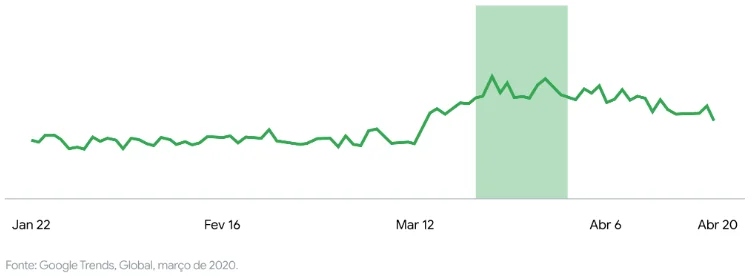
Beyond our home lives, our houses are now also school/work/gym/restaurant, and organizing life has become a challenge. For example, search interest for “office chairs,” “work chairs,” and “computer desks” has risen sharply in the UK.
The detailed analysis of trends related to time and space is available in English.
The consumer experience at home with work and leisure
To maintain productivity and ensure a positive team dynamic, company employees are having to adjust and think ahead. Google noted an increase of more than 9% in search interest related to “team building.”
Meanwhile, with travel restricted, the desire to experience, explore, and find inspiration in other places has become a need. For this escape, digital is a great ally: virtual tours are booming.
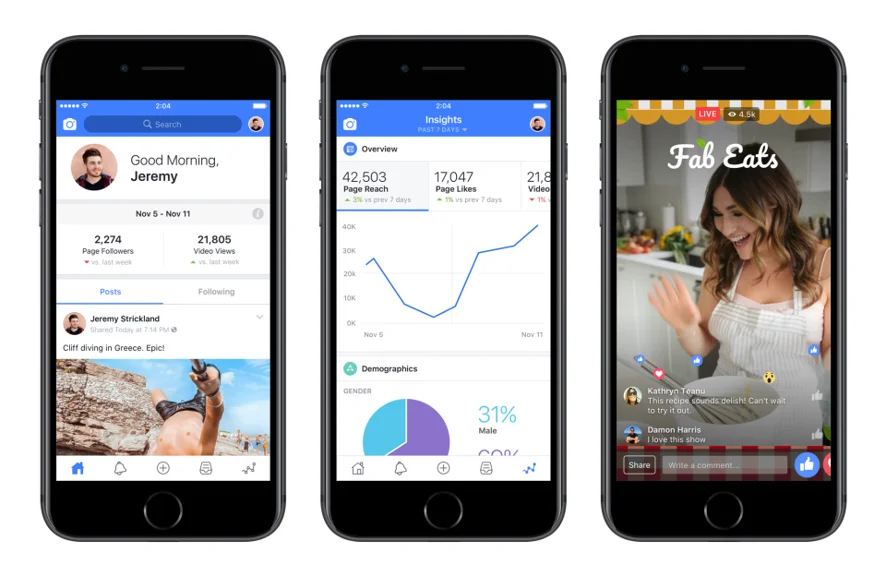
Image caption: “Travel guide” and “virtual ways to travel” are trending in search interest.
The detailed analysis of trends related to work and leisure is available in English.
The consumer experience at home with themselves and others
This new reality has made people prioritize their own well-being. They are more aware of their physical, emotional, and mental health, and are dedicating more time to self-care.
At the same time, the anxiety to connect with other people is also present. The term “quarantine love” started trending on March 13.
The detailed analysis of trends regarding relationships is available in English.
The consumer experience at home with consumption and spending
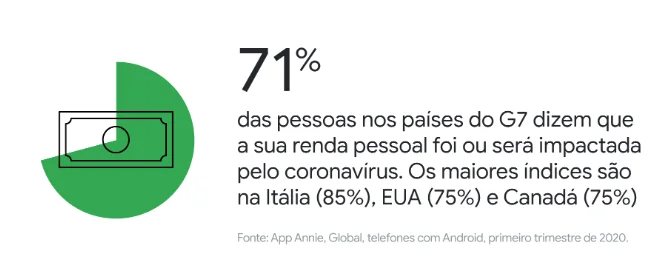
Consumers are cutting back on non-essential spending during this period and focusing on their most immediate material and psychological needs.
Even while cutting these non-essential expenses, people want to find ways to help those most in need.
The detailed analysis of trends related to consumption and spending is available in English.
So where does marketing fit in?
All these profound changes in daily life have made people reprioritize how, when, where, and why they consume. This triggers the need to rethink marketing, which no longer simply meets consumers' needs, but now must meet their needs at home.
Have you thought about that?
For more content and insights, follow us on Facebook, our Instagram, and our LinkedIn.
