
If you're the kind of manager who's been measuring productivity by hours logged and badge swipes, here's some bad news from SXSW 2026: that debate is over.
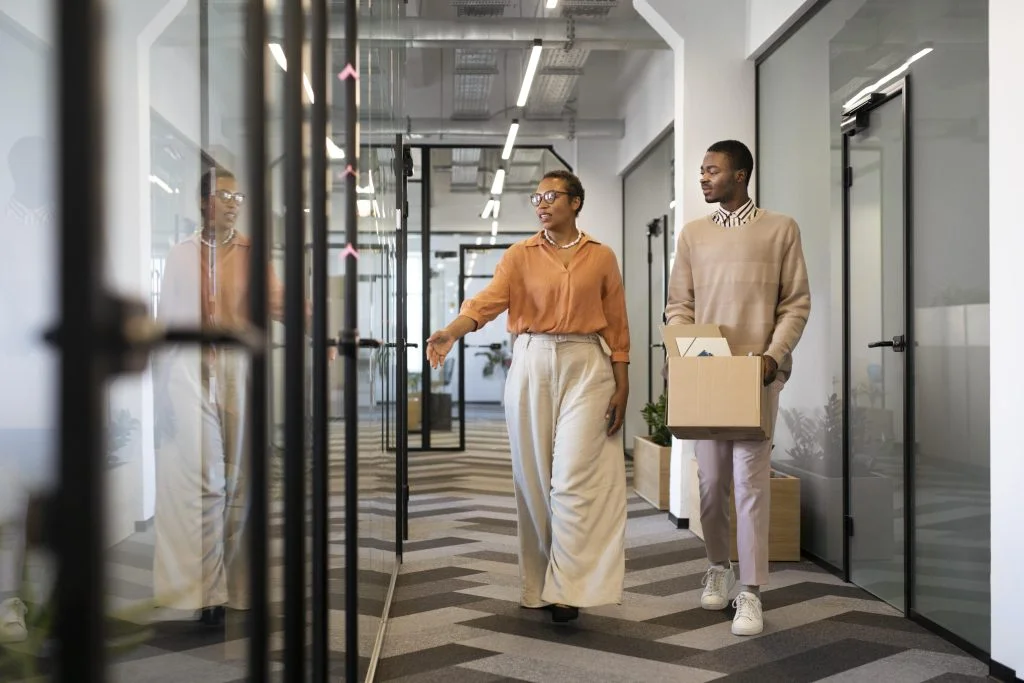
The problem was never the office itself. It was the office treated as an obligation.
We've spent the last few years forcing people to commute across the city to sit in cubicles and answer emails that could have been handled from home.
The result was predictable: resistance, disengagement, and teams who see corporate HQ as a prison, not a place worth being in.
The shift is simple to understand and hard to execute: the future of work isn't about policing presence. It's about turning the office into a magnet.
The new question every leader needs to ask isn't "how do I force my team back?" but rather "how do I make the office a place so valuable that people want to be there?" And the most concrete answer to come out of SXSW 2026 has a name: “Pods.” We'll explain what they are below.
The AI Paradox: more machines, less loneliness
The biggest mistake executives make today is thinking Artificial Intelligence will isolate teams.
The data proves exactly the opposite. A Gensler survey of 16,000 workers showed that AI “Power Users” spend less time working alone and more time learning and collaborating with colleagues.
LinkedIn's case illustrates the phenomenon well.
Engineers who started using AI to code became more open to interruptions and conversations. The reason is technical and revealing: since AI retrieves work context quickly, the cost of being interrupted plummeted.
Before, stopping to help a colleague meant losing your train of thought for half an hour. Now, picking it back up is nearly instant.
The strategic consequence is huge. Companies' bottleneck is no longer individual execution but collective alignment. And alignment isn't solved with more office hours. It's solved with the right people, together, at the right time.
The “Pods” Strategy
If value lies in collaboration, physical space needs to be designed to spark it. That's exactly what LinkedIn tested with the “Pods“ concept.

They redesigned the floors and got rid of individual desks to house small cross-functional teams of 4 to 8 people, grouped by mission, not by department. In just 11 weeks, the result was more brainstorming, better performance, and much less friction between teams. The future of work, it seems, is neither individual nor mass-oriented. It's small, cohesive groups.
Rivian, the electric vehicle maker, took the logic to the extreme and started operating as a true “Affinity Group.” Instead of hiring professional drivers, the company has its own engineers test cars in ice competitions alongside customers. The office stopped being a bureaucracy department and became a “base camp” for the mission. The focus isn't demanding presence. It's justifying the commute with real relevance.
In practice: how On already operates in “Pods”
When the Pods concept took the stage at SXSW 2026, the feeling here at On was less discovery and more recognition. The model is, in essence, the same one that already structured our routine.
On operates in a hybrid model. Most of the week is remote, but we keep one fixed in-person day, because we believe face-to-face exchange is essential.
Instead of calling the whole agency in on the same day, each day of the week belongs to a specific Squad. These aren't departments: they're cross-functional teams organized by client context.
It's exactly the logic of Pods: cohesive groups, organized by mission, with people from different specialties solving the same problem in the same room.
The practical effect is that in-person work stops being a "calendar requirement" and gains purpose. No one goes to work alone next to other people who are also working alone. Those who go are the ones who have shared context to exchange that day.
The office didn't die. The obligation did.
At the end of the day, leadership's biggest mistake today is confusing presence with productivity and control with results.
Demanding the team come back to the office without giving them a good reason is solving the wrong symptom. People don't resist the office. They resist commuting across the city to do what they'd do better from home.
So reinventing work in the AI era isn't about choosing between in-person and remote.
It's about redesigning space, teams, and mission so that being together is worth it. Those who turn the office into a magnet attract the best professionals in the market, accelerate collaboration, and retain talent competitors wish they had. Those who keep treating presence as an obligation will waste energy policing badge swipes while watching good professionals migrate to companies innovating with Pods.
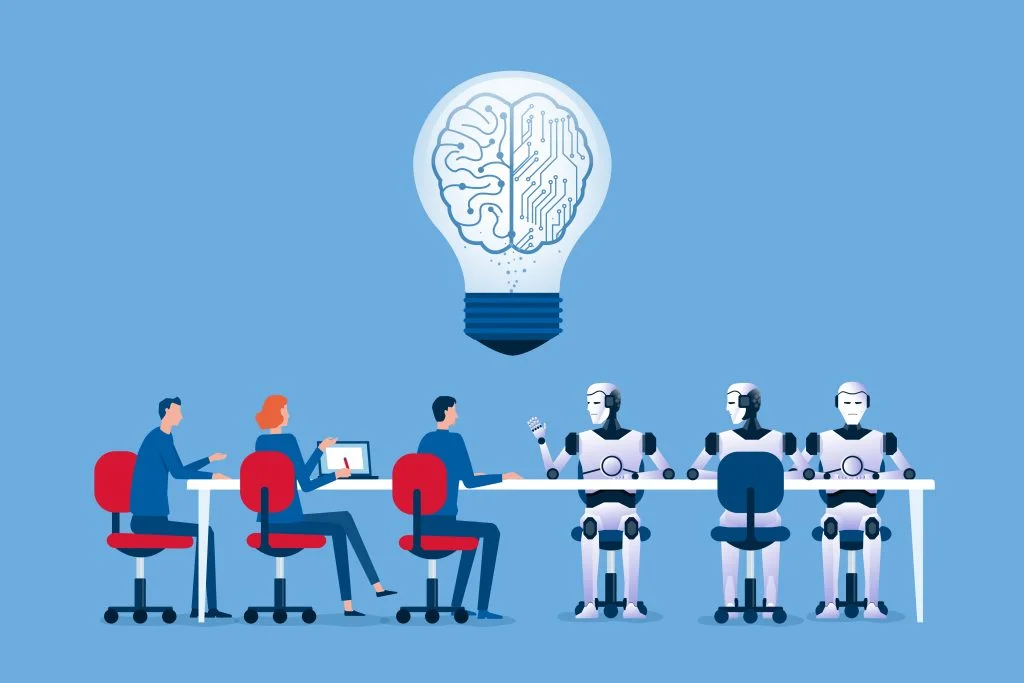
Here at On, we translate SXSW 2026's lessons into real digital marketing strategies and operational restructuring, focused on what actually moves the needle: people, processes, and culture powered by technology.
On is an agency specialized in AI First, and our job is to help leaders design operations where Artificial Intelligence scales human collaboration instead of replacing it. Talk to our team and keep following our blog to lead the future of work with relevance.
Also read: The end of the 5-year plan: How the “Zoom Out, Zoom In” framework shields your company in the AI era
