
This year, the date will be unprecedented. Understand why.
In the United States, Black Friday was designed specifically for physical stores with the goal of clearing out inventory before Christmas products arrive. In Brazil, the date arrived with a greater focus on online sales. However, this year, the scenario is changing and will be unprecedented: for the first time, purchases made in physical stores are expected to match those made online, according to a survey by Google Brazil.
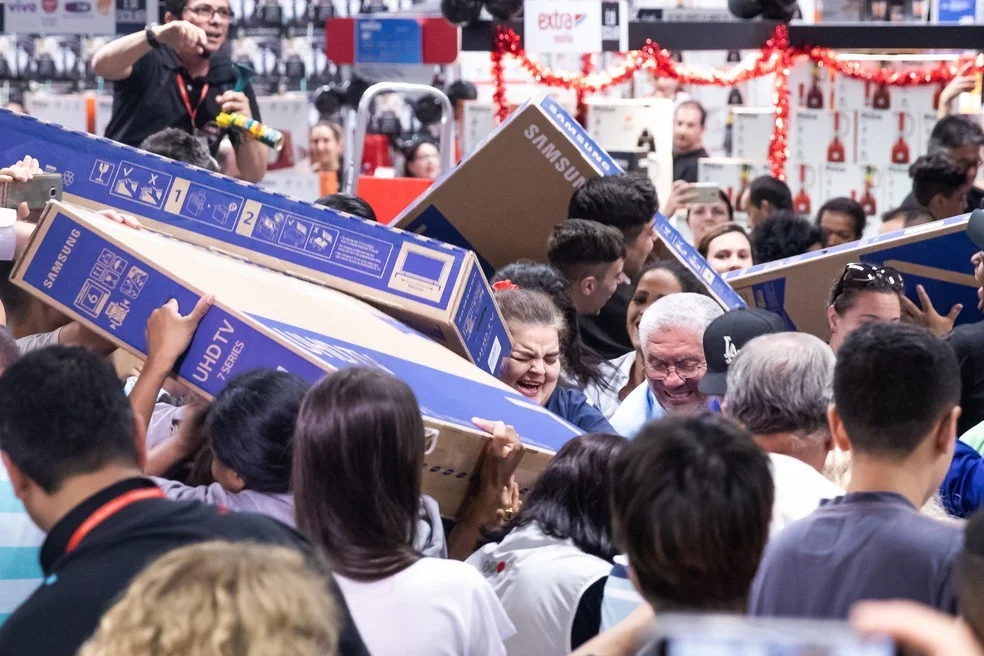
In a survey conducted by Provokers with 1,500 people from across the country, Google Brazil's retail business director, Gleidys Salvanha, confirms that the trend points to the omnichannel consumer. In addition to those responses, an online survey was also conducted with another 1,000 people using the Google Survey tool.
According to the tech company, those who shop across more than one channel will reach 25% of the total, compared to 7% last year.
The purchase journey begins with an online search. Two out of every three Brazilians research online before going to a physical store to actually make the purchase. Only 27% decide where to buy on the spot, while 74% already had an idea or were certain of which store they'd buy from beforehand. And for those who shop online, the physical store hasn't died out. On the contrary, it's becoming increasingly important. The "Pick Up In Store" delivery option is a major differentiator, and 39% of Brazilians consider it very important when deciding which store to buy from during the Black Friday period. An interesting fact: 24% of shoppers this year plan to use this delivery method for their online purchases. The reasoning makes a lot of sense—it eliminates shipping costs and delivery time, which is a major issue during this period.
Much more than price: convenience and trust
In 2018, 71% of consumers made a purchase from stores different from those they usually shop at, and in 2019 that trend is expected to rise to 84%. However, only 33% of them bought from a retailer they didn't know or had never heard of during Black Friday 2018.
O preço passou a ser fator secundário em 2019. Condições de pagamento especiais e cupons ganham mais relevância, e 54% dos fatores de escolha na hora da compra são relacionados à confiança e ao nível de serviço.
Trust in the store accounts for 16% of the choice, trust in the brand and product for 13%, installment payment for 11%, shipping cost accounts for 10%, and delivery time for 4%.
Diego Venturelli, retail insights manager at Google Brazil, points out that an interesting strategy is to build customer loyalty through services like digital wallets and cashback. This type of service increases customer recurrence throughout the year, not just securing a single Black Friday purchase.
Compared to last year, 61% of consumers felt that prices were the same or higher than the previous Black Friday. So benefits like special payment conditions and coupons gained relevance.
The scenario is changing. Are you changing with it?
For more content, visit our blog.
Source: EXAME
